
How to Communicate Your Catering the Right Way
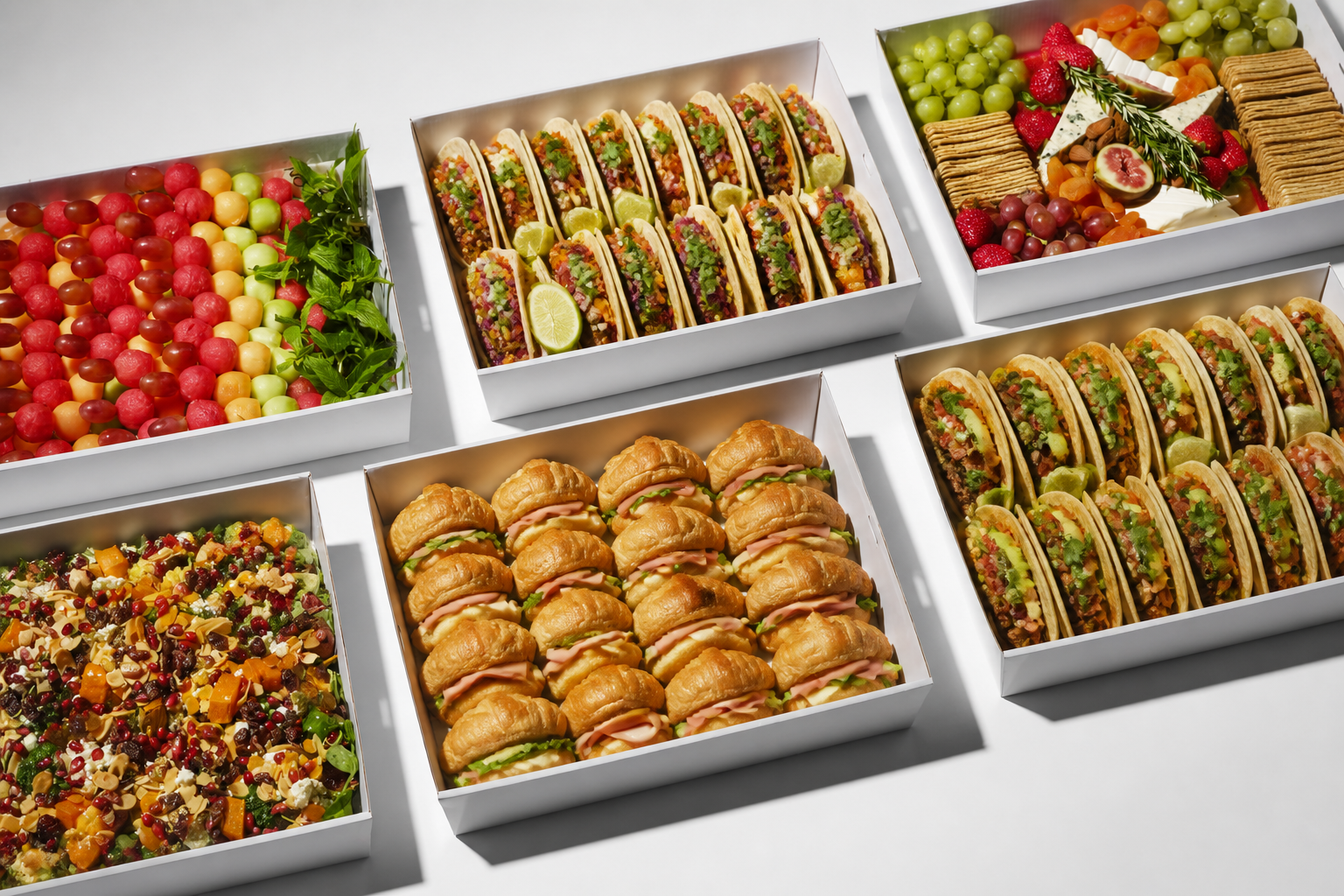
5 Tips to Make It a Success
Most restaurants that offer catering share the same problem: the food is great, the logistics work fine, and still the orders don't grow. The issue is almost never the kitchen. It's the communication before, during, and after the event.
Here are five changes that make an immediate difference.
1. Create a Quote Form That Already Feels Like the Event
The moment someone starts planning an event, they're already in a creative headspace. Your quote form should meet them there not feel like a tax document.
Instead of "Event Type" and "Number of Guests," try fields like these:
What's the name of your event? (give examples that feel real and American: Friday Night Taco Drop, The Book Club Feast, Sofia's Quinceañera Spread, Jake's Fantasy Football Draft Night, Mom's 60th Garden Party)
Who's coming? (Coworkers? Old friends? The whole family? This helps us nail the vibe.)
Any food restrictions we should know about? (Gluten-free, dairy-free, nut allergies, vegans in the group — tell us everything, we've got options.)
How do you want it delivered? (Ready to serve on trays, individual boxes per person, or everything packed for easy setup?)
A form like this does three things: it reduces back-and-forth emails, it tells you exactly what you need to build the right proposal, and it makes the client feel taken care of before they've even tasted the food.
2. Show the Total AND the Per-Person Price in Every Quote
When someone is hosting an event, they're thinking in two numbers at the same time: the total budget they have to justify, and the per-person cost they have to explain to whoever is paying.
Always show both.
Total: $480 | $16 per person (based on 30 guests)
This removes friction. The client doesn't have to do the math. The person approving the budget doesn't have to ask. And the price feels more digestible when it's broken down to what it costs per person — especially for corporate orders where the decision-maker is comparing your number to the $22 sandwich platter from the deli down the street.
One more thing: include a clear, visual breakdown of what's in the order. Not a list of 15 items in small font. A clean layout with quantities, portion sizes, and what's included in the setup. Clarity closes more deals than discounts.
3. Put a QR Code on Every Tray You Deliver
The best moment to ask for a review, a follow-up order, or a referral is not three days after the event in a follow-up email nobody opens. It's right now when the food is on the table and people are eating and happy.
Put a small branded card with a QR code on every catering delivery. Link it to:
Your Google Business Profile review page
A direct reorder link or your quote form
A short "share with a friend who hosts events" prompt
Keep it simple. One card, one QR code, one action. The host already trusts you. The guests are already impressed. That's the moment to capture and most restaurants completely miss it because there's nothing physically there to convert the feeling into action.
4. Give the Host a Visual Menu They Can Share Before the Event
The host is your best marketing channel, and they don't even know it yet.
When someone orders catering for a group, they're going to be asked by every guest: "What are we eating?" Give them something great to send back.
Build a simple, visual one-page menu for each catering order — not a full-blown design project, just a clean layout with the dishes, portion descriptions, and a note about allergen-friendly options. Something the host can drop into the group chat or share on the event page.
When guests see it before the event, a few things happen: anticipation builds, dietary restrictions get flagged early (which protects you operationally), and your restaurant's name circulates in a group of new potential customers before a single tray has been delivered.
The food is your product. The shareable menu is your pre-event marketing. Most restaurants only invest in one of them.
5. Follow Up With a Prompt for the Next Event, Not Just a Thank-You
"Hope everyone enjoyed the food!" is the most wasted follow-up message in catering.
After the event, you already know more about this client than most restaurants ever learn about their customers: who they host, how many people, what they eat, when they do it. Use that.
Send a follow-up within 48 hours that connects to the next logical event:
"Thanks for having us at the draft night — glad the wings held up. Next time, want to add a dessert tray? Most groups come back for the playoffs."
"Really hope Sofia's quinceañera was everything she deserved. When the next family event comes around — or a friend starts planning one — we'd love to be your first call."
"Your Q3 kickoff order was a hit. Want us to hold a spot on the calendar for Q4?"
Catering is a repeat business. The first order is an audition. The follow-up is where the revenue line actually starts.
The Bottom Line
Getting catering right isn't about having a longer menu or cheaper prices. It's about making every touchpoint — the quote form, the proposal, the delivery, the moment guests are eating, and the follow-up — feel intentional.
The restaurants that are growing their catering revenue aren't the ones with the best food. They're the ones with the best system around the food.
At CTG, we help restaurants build that system. From catering menu engineering to packaging, communication, and QR code strategy — we set up the structure so catering becomes a revenue line, not a one-off favor.